140 Map Cooling Thermostat Activation
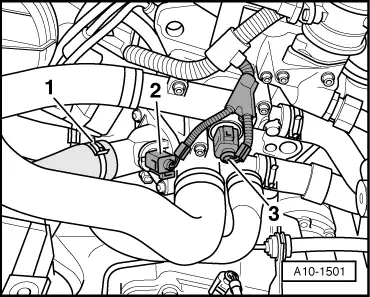
Hi all, hope someone can shine a light on this issue i have. Using hawk-eye i discovered i had a fault code 140 activation map cooling stored,this wouldnt clear so i replaced the electro-thermostat and it cleared for a week then returned,so thinking it was a faulty stat i got it replaced under warranty,fitted new one again and now the code wil clear only to return again. Engine is running at @85-95 degrees,new expansion cap fitted as it was previously letting by and i think causing it to run too hot and since replacement all is well apart from this bloody code re-appearing, many thanks luke.
2ef4 Map Thermostat Mechanism Bmw Keep Coming Back
These types of thermostat have a metal structure formed by a flange and the housing in which the sensing element, the valve and the tension spring are enclosed. The heart of the sensing element consists of a wax and aluminium mixture that expands under heat, creating a force that causes the sensing element to slide, thus opening the valve through which the coolant flows. The force exerted by the sensitive element is opposed by the tension spring. Discography prodigy.
When the coolant temperature falls below the opening level, the tension spring exerts pressure on the valve and restores the sensitive element to its original position, thus closing the cooling circuit.The bypass valve on some thermostats has the function of obstructing the flow of the coolant to the radiator and diverting it through a secondary tube. This mechanism allows thermal balance to be reached more quickly.

This type of thermostat provides broader and faster operation than traditional thermostats. In addition to the mechanical function of the wax bulb, map-controlled thermostats have an electric heater integrated into the sensor. The heater, controlled by the vehicle’s engine control unit, changes the temperature of the coolant according to the speed and load conditions of the engine.
This temperature regulation is governed by a map stored in the engine control unit.In partial load conditions (urban cycle), the thermostat stabilises the engine at a higher temperature to obtain benefits such good reaction kinetics, lower emissions and reduced friction (with a consequent reduction in consumption).In full load conditions, the heater is activated to allow lower running temperatures and increase the power of the engine.